LMIA processing delays hit 60 days as Canada cuts foreign worker admissions
On This Page You Will Find:
- Breaking down the dramatic increase in LMIA processing times across all streams
- Specific timelines for each immigration pathway affecting your work permit application
- Strategic concurrent processing options that can save you months of waiting
- Real impact on employers and workers navigating Canada's tightened immigration system
- Essential planning timeline to avoid costly delays in your immigration journey
Summary:
Canada's Labour Market Impact Assessment (LMIA) processing times have surged dramatically in 2026, with high-wage positions now requiring a staggering 60 business days—two full weeks longer than just three months ago. While the government slashes temporary foreign worker admissions from 82,000 to 60,000, skilled workers and employers face unprecedented delays that stretch total immigration timelines to 8-12 months. The permanent resident stream faces the longest wait at 244 business days—nearly a full calendar year. Understanding these new realities and use concurrent processing options has become critical for anyone navigating Canada's evolving immigration landscape.
🔑 Key Takeaways:
- High-wage LMIA processing has jumped to 60 business days, adding two weeks to previous timelines
- Permanent resident stream applications now take 244 business days—almost a full year
- Canada cut temporary foreign worker admissions by 27% from 82,000 to 60,000 in 2026
- Concurrent processing with IRCC can save months while your LMIA application is pending
- Total immigration timeline from start to job arrival now ranges 8-12 months for most streams
Maria Rodriguez stared at her laptop screen in disbelief. The software development position she'd been offered in Toronto—paying well above the regional median wage—would now require a 60-business-day LMIA processing period. Just three months earlier, her colleague's similar application took only 46 days. Welcome to Canada's new immigration reality in 2026.
If you're planning to work in Canada or hire foreign talent, these extended processing times represent more than just inconvenience—they're reshaping how employers and skilled workers approach Canadian immigration entirely.
The New LMIA Processing Landscape
Employment and Social Development Canada (ESDC) released updated processing times on March 4, 2026, revealing significant increases across nearly every stream of the Temporary Foreign Worker Program (TFWP). These changes come despite—or perhaps because of—Canada's decision to reduce temporary foreign worker admissions.
Current Processing Times Across All Streams
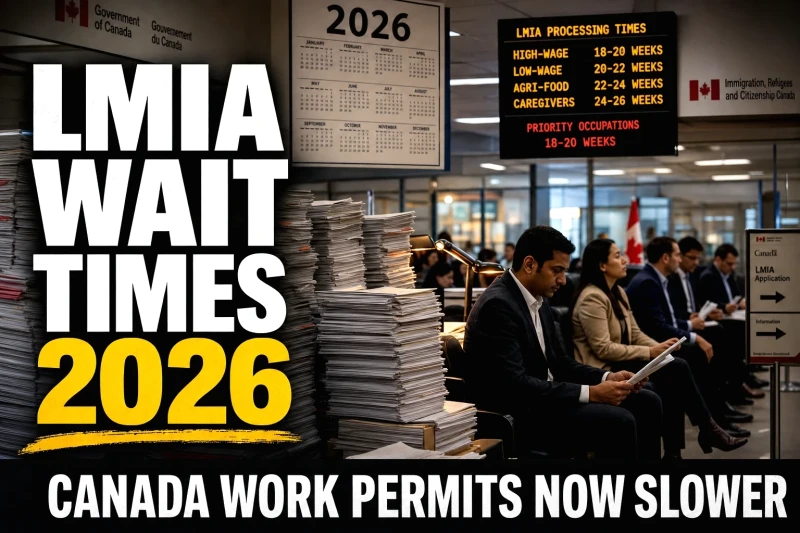
The processing timeline variations are dramatic, ranging from 10 business days for seasonal agricultural workers to nearly a full calendar year for permanent residents:
| Stream | Processing Time | Service Standard |
|---|---|---|
| Global Talent Stream | 12 business days | 10 business days (80% of applications) |
| Seasonal Agricultural Worker Program | 10 business days | Standard processing |
| Agricultural Stream | 15 business days | Standard processing |
| Low-Wage Stream | 48 business days | Standard processing |
| High-Wage Stream | 60 business days | Increased by 14 days since December 2025 |
| Permanent Resident Stream | 244 business days | Nearly 12 months total |
The most striking change affects high-wage positions—those paying at or above regional median wages. These applications now face a full two-week delay compared to just three months ago, creating significant planning challenges for both employers and prospective employees.
Understanding the Broader Immigration Impact
Reduced Admission Targets Drive Longer Processing
Canada's dramatic reduction in TFWP admissions—from 82,000 in 2025 to just 60,000 in 2026—represents a 27% decrease that's creating bottlenecks throughout the system. The International Mobility Program (IMP), which doesn't require LMIAs, also saw cuts from 285,750 to 170,000 admissions.
This tightening reflects Canada's response to housing pressures and labor market concerns, but it's creating longer waits for legitimate applications that do get approved.
Real-World Timeline Impact
Here's what these processing times mean for your actual immigration journey:
Phase 1: LMIA Processing - 2-12 weeks depending on stream Phase 2: Work Permit Application - 8-30 weeks for LMIA-based permits Phase 3: Final Approval and Travel - 2-4 weeks additional processing
The total timeline from your first application step to actually starting work in Canada now ranges 8-12 months for most streams—and potentially longer if your application requires additional documentation.
Strategic Approaches to Navigate Delays
Concurrent Processing: Your Time-Saving Option
The most effective strategy for managing these extended timelines involves concurrent processing. Rather than waiting for your LMIA approval before submitting your work permit application, you can often submit both simultaneously to Immigration, Refugees and Citizenship Canada (IRCC).
This approach can save weeks or months of waiting, particularly valuable given the current processing delays. However, success depends on submitting complete, accurate applications—missing documents or incorrect information can result in weeks of additional delays before processing even begins.
Choosing the Right Stream
With processing timelines varying dramatically—from 10 business days for agricultural workers to 244 days for permanent residents—selecting the appropriate stream becomes crucial. The Global Talent Stream, designed for in-demand occupations, maintains relatively quick 12-business-day processing, though it requires meeting specific criteria.
For technology professionals, healthcare workers, and other skilled occupations, exploring whether your position qualifies for faster streams can significantly impact your timeline.
Factors Driving Processing Variations
Application Quality Matters More Than Ever
With increased regulatory oversight and updated wage standards shaping 2026 LMIA timelines, application quality has become paramount. Complete documentation, accurate wage calculations, and proper compliance with sector-specific requirements can mean the difference between standard processing and lengthy delays.
ESDC's heightened scrutiny reflects Canada's commitment to protecting domestic workers while ensuring legitimate foreign worker needs are met. This means applications that previously might have been processed with minor documentation issues now face returns and resubmission requirements.
Sector-Specific Priorities
The dramatic difference between agricultural processing times (10-15 days) and permanent resident streams (244 days) reflects Canada's prioritization of seasonal labor needs versus long-term immigration planning. Understanding these priorities can help you time your application strategy effectively.
Planning Your Immigration Strategy
Given these extended timelines, successful immigration to Canada in 2026 requires strategic planning that accounts for multiple variables. Start your process 12-15 months before your intended work start date, particularly for high-wage positions or permanent residence applications.
Consider engaging immigration professionals early in the process to ensure application completeness and explore concurrent processing options. The cost of professional assistance often pales compared to the financial impact of months-long delays.
The current LMIA processing environment represents a significant shift in Canada's approach to temporary foreign workers. While the country continues supporting skilled worker immigration, the message is clear: plan early, apply strategically, and prepare for longer timelines than previous years.
For skilled professionals like Maria, this means adjusting expectations and building buffer time into career transitions. For employers, it requires earlier workforce planning and potentially exploring alternative immigration pathways for critical hires.
Canada's immigration system remains strong and welcoming to skilled workers, but success in 2026 demands patience, preparation, and strategic thinking about timing and application approach.